The Best Fluffy Pancakes recipe you will fall in love with. Full of tips and tricks to help you make the best pancakes.
Autism Spectrum Disorder (ASD) is a complex developmental condition that affects how a person communicates, interacts, and experiences the world. It is called a “spectrum” because it presents a wide range of symptoms and abilities, varying significantly from one individual to another.
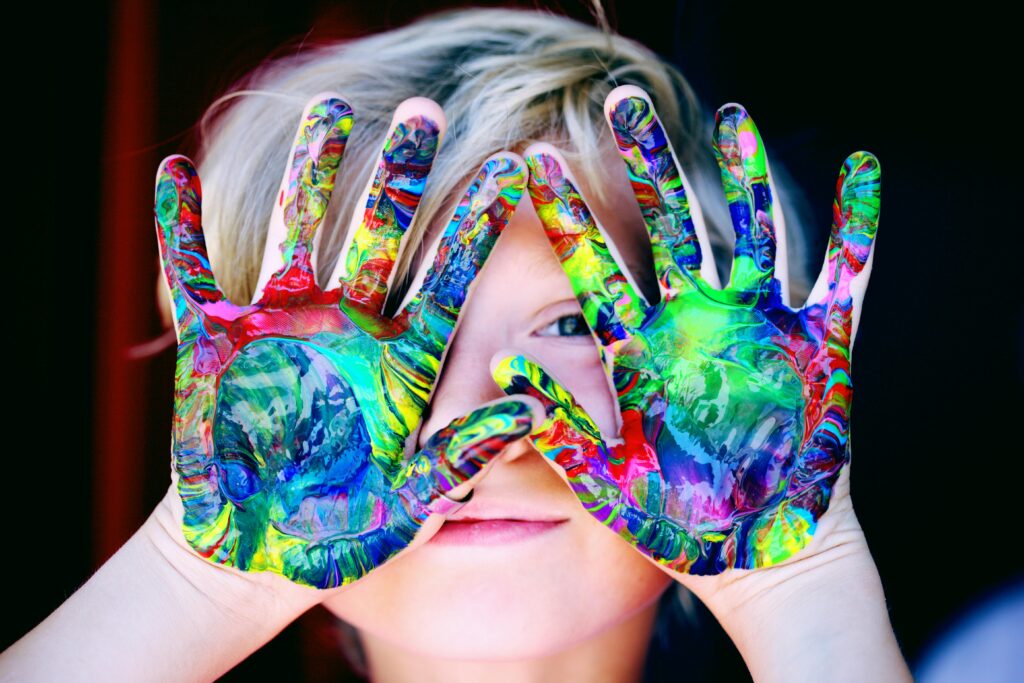
Understanding Autism
Autism is not a disease, but rather a neurodevelopmental difference that begins in early childhood and typically lasts throughout a person’s life. Some individuals with autism may need significant support in daily life, while others live independently and thrive in various fields.
Core Characteristics of ASD
While each autistic person is unique, ASD is generally defined by two key areas of difference:
- Social Communication and Interaction
- Challenges in understanding social cues (e.g., eye contact, body language)
- Difficulty with back-and-forth conversations
- Preference for routine and predictability in social settings
- May appear uninterested in social interaction, or interact in ways considered atypical
- Restricted or Repetitive Behaviors and Interests
- Repeating movements, sounds, or phrases (e.g., hand-flapping, echolalia)
- Intense focus on specific topics (e.g., dinosaurs, trains, space)
- Strong preference for routines; difficulty with changes
- Sensory sensitivities (e.g., aversion to loud noises, textures, lights)
Some children may show signs as early as 18 months, while others may develop typically before regressing or showing signs later.
The Spectrum: A Range of Abilities
ASD includes conditions previously diagnosed separately, such as:
- Autistic disorder
- Asperger’s syndrome
- Pervasive developmental disorder-not otherwise specified (PDD-NOS)
These are now collectively referred to as “autism spectrum disorder” under the DSM-5 (Diagnostic and Statistical Manual of Mental Disorders, 5th Edition).
The term “spectrum” emphasizes the wide variation in:
- Speech and language abilities
- Cognitive functioning (intellectual disability to giftedness)
- Motor skills and coordination
- Level of support required
Causes and Risk Factors
There is no single cause of autism. Research suggests that genetic and environmental factors contribute to its development. Key risk factors include:
- Having a sibling with autism
- Parental age (especially older parents)
- Certain genetic conditions (e.g., Fragile X syndrome)
- Low birth weight or complications during birth
Vaccines do not cause autism—a claim that has been repeatedly discredited by scientific studies.
Diagnosis
ASD is typically diagnosed by a multidisciplinary team using developmental screenings and assessments. These may include speech and occupational therapists, pediatricians, psychologists, and developmental specialists.
Early diagnosis is crucial, as early intervention has been shown to significantly improve outcomes in communication, learning, and adaptive behaviour.
Support and Intervention
There is no “cure” for autism, but many therapies can help children develop skills and thrive:
- Speech and language therapy
- Occupational therapy
- Applied Behavior Analysis (ABA)
- Social skills training
- Parent coaching and family support
Children with autism may benefit from Early Intervention Programme (EIP) or Individualised Education Plans (IEPs) or in schools and may qualify for support services such as speech therapy or learning accommodations from relevant national bodies..
Autism is Not a Deficit—It’s a Difference
While autism presents real challenges, it also brings unique strengths. Many individuals on the spectrum excel in areas such as memory, pattern recognition, honesty, and attention to detail. Increasingly, society is moving toward a neurodiversity model that recognizes and respects neurological differences as part of human diversity.
Final Thoughts
Autism Spectrum Disorder is not a one-size-fits-all diagnosis. With the right support, understanding, and inclusion, children and adults with ASD can lead fulfilling, meaningful lives. As awareness grows, so too does the capacity of schools, workplaces, and communities to accommodate and celebrate neurodiverse individuals.
Understanding Autism Spectrum Disorder is the first step toward creating a more inclusive world. Whether you’re a parent, educator, or caregiver, learning how autism affects each child individually can help foster empathy, respect, and the right support systems.
If you suspect your child may be on the spectrum, consult with your pediatrician or a developmental specialist. Early assessment and intervention can make a meaningful difference in long-term outcomes.
📚 References
- American Psychiatric Association. (2013). Diagnostic and Statistical Manual of Mental Disorders (5th ed.).
- National Institute of Mental Health. (2022). Autism Spectrum Disorder.
- Centers for Disease Control and Prevention (CDC). (2023). What is Autism Spectrum Disorder?
- Autism Speaks. (2024). What is Autism?
- World Health Organization (WHO). (2022). Autism.
- Hyman, S. L., Levy, S. E., & Myers, S. M. (2020). Identification, Evaluation, and Management of Children With Autism Spectrum Disorder. Pediatrics, 145(1), e20193447.